
































Winter has a way of exposing every weak spot in a skincare routine. Skin that felt balanced in early fall may suddenly feel tight after cleansing. Makeup can cling to dry patches. Cheeks may sting in cold wind, while the T-zone somehow remains shiny. It is frustrating, especially when the usual products no longer seem to work.
A well-chosen facial can help reset winter skin, but the best treatment is rarely the most intense one. During colder months, the goal is usually to restore comfort, strengthen the skin barrier, and address concerns such as flaking, dehydration, congestion, or dullness without pushing the skin too far.
That means understanding what facials actually do, what your skin needs now, and which treatments deserve a pause until your skin feels calmer.
What a facial can do for winter skin
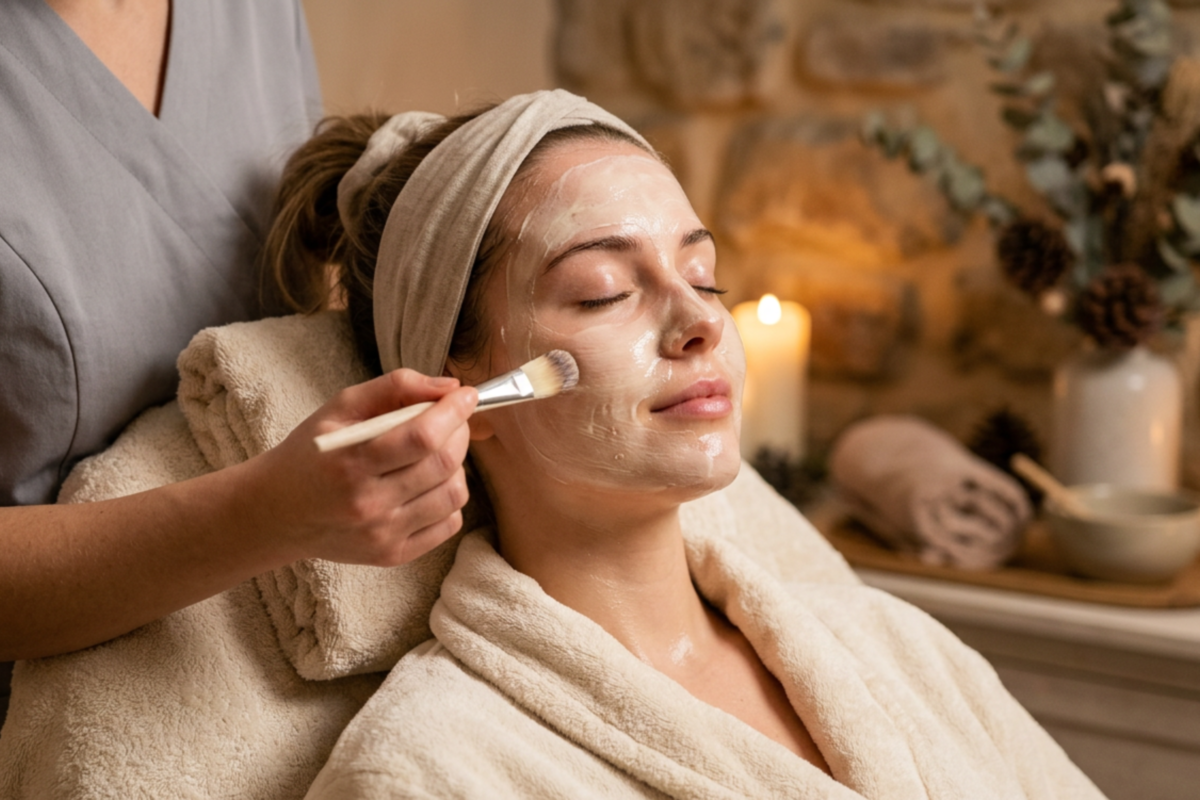
A facial is a professional skincare treatment that combines cleansing, exfoliation, hydration, massage, and targeted products. Depending on the treatment, it may also include extractions, LED light therapy, oxygen-based treatments, microcurrent, or other techniques designed for specific concerns.
The value of a facial is not simply the products used during the appointment. A skilled professional can assess how your skin is behaving, choose an appropriate level of exfoliation, and adjust the treatment as your skin responds. That last part matters in winter, when skin can look dull on the surface but still be irritated or dehydrated underneath.
Most facials include some version of these steps:
-
Cleansing to remove makeup, sunscreen, oil, and buildup
-
Exfoliation to lift dead skin cells and improve texture
-
Hydrating serums, masks, or creams that support moisture retention
-
Optional extractions for blackheads and clogged pores
-
Massage to ease facial tension and support circulation
-
Targeted treatments for dryness, breakouts, sensitivity, pigmentation, or fine lines
After a facial, skin often looks smoother and more refreshed right away. That immediate glow is nice, but the more useful benefit may be better product absorption and a stronger home-care routine. When dry, compacted surface cells are gently removed, moisturizer and barrier-supporting ingredients can do their job more effectively.
Still, more treatment is not always better. A facial that leaves skin painfully red, hot, or peeling for days may be too aggressive for your current condition, particularly if cold weather has already weakened your barrier.
Why winter changes your skin
Cold outdoor air holds less moisture than warm air. Indoors, heating systems make the air even drier. Add hot showers, wind exposure, heavy makeup, and stronger active ingredients, and the skin barrier can become overwhelmed.
The skin barrier is the outer protective layer that helps keep water in and irritants out. When it is functioning well, skin tends to feel comfortable and resilient. When it is compromised, moisture escapes more easily. You might notice tightness, itching, flakes, rough texture, redness, or a sudden sensitivity to products you have used for months.
Winter skin can also become confusing. Someone with oily or acne-prone skin may assume they need less moisture because they are breaking out, but dehydration can make oil production feel more noticeable. A person with naturally dry skin may try to scrub away flakes, then end up with even more irritation.
This is why winter facials should be selected by your skin’s current state, not only by the skin type written on a questionnaire years ago.
Start by identifying your skin type and current condition
Skin type is a useful starting point. It affects how your skin tends to produce oil and respond to products. Skin condition is more temporary. Dehydration, sensitivity, breakouts, redness, and dullness can all change with weather, stress, hormones, travel, or medication.
The common skin types include:
Oily skin
Oily skin often appears shiny, especially across the forehead, nose, and chin. Some people experience shine across the entire face and may be prone to blackheads or breakouts. In winter, oily skin can still become dehydrated. If it feels tight after cleansing but gets shiny later, it may need hydration alongside pore care.
Dry skin
Dry skin can feel tight, rough, flaky, or uncomfortable. It may look dull because dead skin cells build up unevenly on the surface. Winter often amplifies these symptoms, so gentle exfoliation and intensive hydration tend to be more helpful than strong peels or repeated scrubbing.
Combination skin
Combination skin usually has an oilier T-zone and drier cheeks. This requires a bit more nuance during a facial. The T-zone may benefit from extractions or mild exfoliation, while the cheeks may need calming, hydrating products and less manipulation.
Sensitive skin
Sensitive skin may sting, itch, redden, or react quickly to new products and treatments. It can be naturally sensitive, temporarily sensitized, or both. In winter, even people who do not usually consider their skin sensitive may find that fragrance, acids, hot water, or aggressive massage cause discomfort.
A simple at-home check can give you some clues. Cleanse your face with a gentle cleanser, apply nothing, and wait about an hour. Tightness or visible flaking often points toward dryness. Shine throughout the face may indicate oily skin, while shine mainly in the T-zone suggests combination skin. Stinging, itchiness, or redness may signal sensitivity.
This is not a diagnosis, and skin does not always behave neatly. Ongoing acne, dark spots, persistent redness, eczema, rosacea, or sudden changes are good reasons to seek professional guidance before booking a treatment.
The best facial choices for common winter concerns
Instead of getting lost in elaborate treatment names, start with the result you want. Do you need more moisture? Less congestion? Relief from puffiness? A brighter look before an event? The right facial type becomes much easier to identify once the concern is clear.
For tight, flaky, or dehydrated skin
A hydration-focused facial is usually the sensible winter choice for dry skin. Look for treatments built around gentle cleansing, mild exfoliation, soothing massage, humectant-rich serums, replenishing masks, and barrier-supportive moisturizers.
Gentle exfoliation still has a place. Flakes can prevent products from sitting evenly on the skin, and removing a small amount of surface buildup can make skin feel much softer. The caution is intensity. Rough scrubs, repeated acid layers, or aggressive resurfacing can create that overly polished feeling for a day, then leave skin irritated afterward.
A good hydration facial should leave skin feeling comfortable, cushioned, and calm. If your face feels squeaky clean or unusually tight when you leave, that is not the result to aim for.
For sensitivity, redness, or a stressed skin barrier
When skin is reactive, calming treatments are often more useful than corrective ones. Gentle facials may include cooling tools, soothing masks, light massage, and minimal exfoliation. The appointment should feel quiet rather than intense.
This is also a time to be honest about what is happening at home. Mention if products sting, if you are using retinoids or exfoliating acids, or if you recently changed your routine. Those details affect how much exfoliation or heat your skin can tolerate.
A facial massage can be especially helpful if you hold tension around your brow, jaw, or temples. It will not erase every sign of stress, but it can make the experience feel restorative in a very real way. There is something surprisingly useful about lying still for an hour while someone else notices the tension you have been carrying in your face.
For dullness and uneven texture
Winter dullness often comes from a mix of dehydration, slower surface-cell shedding, and reduced circulation. A facial that combines gentle exfoliation with hydration can improve the look of texture without stripping the skin.
For some people, LED light therapy or oxygen-based treatments may be included to support a brighter, more refreshed appearance. These can be a nice addition, though they should not distract from the basics. If the barrier is dry and irritated, hydration comes first.
Dermaplaning may also be used for selected clients to remove fine facial hair and surface buildup. It can leave the skin feeling exceptionally smooth, but it is not appropriate for everyone. People with active inflammatory acne, irritation, or very reactive skin may need a different approach.
For congestion and winter breakouts
Congestion does not disappear just because the weather is cold. Heavy moisturizers, richer makeup, sweat under scarves, stress, and inconsistent cleansing can all contribute to clogged pores. At the same time, harsh acne treatments can leave skin dry and inflamed.
A detox or deep-cleansing facial may include a warm enzyme treatment, careful extractions, cooling methods, and a mask that helps manage excess oil. The key word is careful. Aggressive extractions can cause redness, swelling, and marks, particularly when the skin is already sensitized.
If you have active, painful acne, a facial should be adapted rather than treated like a standard glow appointment. Picking at inflamed blemishes is rarely worth it. A professional may focus on soothing inflammation, supporting the barrier, and treating congestion in less irritated areas.
For puffiness and facial tension
Cold weather, salty meals, poor sleep, allergies, and stress can all make the face look puffy. Lymphatic-style massage and sculpting techniques can temporarily reduce that swollen appearance by encouraging fluid movement. Many people also find that their jaw and forehead feel looser after this type of treatment.
The results are subtle and temporary, which is worth saying plainly. A facial massage cannot permanently reshape your face. But if you wake up looking tired and feel like your face is holding onto the week, this type of facial can provide a visible refresh and a deeply relaxing hour.
For fine lines, firmness, and a lifted look
Treatments that use microcurrent, LED, oxygen therapy, or collagen-supportive techniques may appeal to those focused on fine lines and loss of firmness. These can support skin rejuvenation when used as part of a consistent plan.
Expectations matter here. A single facial may make skin look hydrated and temporarily plumper, which can soften the appearance of fine lines. Lasting changes usually require regular treatments, thoughtful home care, daily sunscreen, and patience. Any treatment promising a dramatic, permanent lift in one session deserves a skeptical eyebrow.
What happens during a facial appointment
A good facial begins before the first cleanser touches your skin. The consultation is where you discuss concerns, current products, allergies, recent treatments, and the result you want. Be specific. “My skin feels dry” is helpful, but “my cheeks sting after I wash my face and foundation catches around my nose” is even better.
During the treatment, the esthetician may adjust the plan based on what they see. Skin can be more sensitive than expected, or congestion may be concentrated in one area. This flexibility is part of the point of booking a professional treatment rather than following a one-size-fits-all online routine.
Extractions may be included if needed, but they should never feel like an endurance test. Mild discomfort can happen, especially around the nose and chin. Painful, prolonged squeezing is not necessary for good results.
Afterward, you may notice immediate brightness, softer texture, and a more hydrated appearance. Some technology-based or collagen-focused treatments develop gradually over several days. Follow the aftercare advice you receive, particularly around exfoliants, retinoids, makeup, exercise, and sun exposure.
How often should you get a facial in winter?
For many people, a facial every four to six weeks works well. That timing roughly matches the skin’s natural renewal cycle and allows enough space to see how the skin responds.
If you are dealing with persistent acne, pigmentation, significant dryness, or age-related concerns, a professional may recommend a more structured series of treatments. Consistency matters more than chasing a different trendy facial every month.
It is also perfectly reasonable to book a facial occasionally, perhaps before a special event or when your skin feels unusually depleted. The best schedule is one that fits your skin, budget, and actual life. Skincare should not become another source of guilt.
When to postpone a facial
There are times when a facial should wait. Reschedule if you have active sunburn, open wounds, an active skin infection, or feel unwell. Tell your provider if you are pregnant, have recently had an injectable or resurfacing procedure, or use prescription skincare. Some treatments and ingredients need to be modified or avoided.
Do not try to “fix” severely irritated skin with a strong facial. If your face is burning, peeling heavily, or reacting to nearly everything, the first step may be simplifying your routine and seeking appropriate medical or professional advice.
A simple way to choose your winter facial
Before booking, ask yourself one question: what does my skin need most right now?
If it feels tight and flaky, choose hydration and barrier support. If it is red or easily irritated, choose calming care with minimal exfoliation. If clogged pores are the main issue, look for gentle deep cleansing and carefully performed extractions. If you look tired and puffy, massage and lymphatic-focused techniques may be the best fit. If dullness is the problem, pair mild exfoliation with hydration rather than going straight to a harsh peel.
A consultation is the right next step when your skin feels unpredictable or when several concerns overlap. Winter skin often does exactly that. It can be dry and oily, dull and sensitive, congested and dehydrated, all at once.
The most effective facial is rarely the most complicated one. For winter, a treatment that respects your skin barrier, restores moisture, and leaves you feeling comfortable is usually a very good place to begin.