






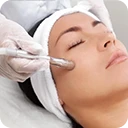














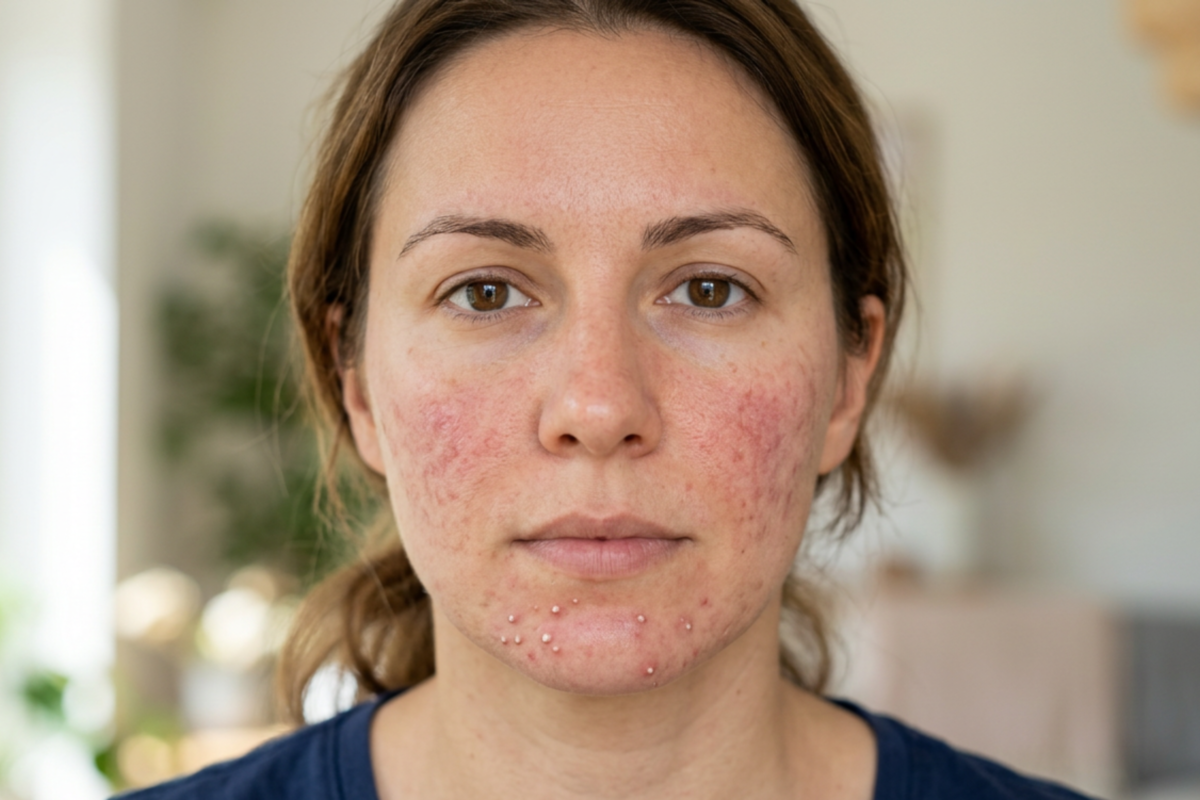
A few new bumps after a facial can feel discouraging, especially if you booked the treatment hoping for clearer, calmer skin. It is easy to assume that any blemish means something went wrong. Sometimes that is true. Often, though, the explanation is less dramatic.
Skin may develop temporary congestion after exfoliation, extractions, or a peel because material that was already forming inside pores reaches the surface faster. This is commonly called purging. A true breakout, irritation, or allergic-type reaction looks and behaves differently, and it calls for a different response.
The distinction matters. Treating irritated skin with more acids and scrubs can make it angrier. On the other hand, abandoning a gentle treatment plan at the first sign of purging may not be necessary. Here is how to read what your skin is telling you after a facial.
What does post-facial purging actually mean?
Purging is not your skin “detoxing.” Skin does not purge toxins through blemishes. The term describes an accelerated version of a process already happening inside the pore.
Acne begins before a visible pimple appears. Dead skin cells, oil, and debris can build up within a follicle over time, creating a microcomedone, which is an early clogged pore. When a treatment speeds up skin cell turnover or removes built-up surface cells, those developing clogs may surface sooner than they otherwise would have.
That can look like a sudden cluster of small blemishes, even though the congestion was already there.
Facials that are more likely to trigger this response include those involving:
-
Chemical exfoliants such as alpha hydroxy acids, beta hydroxy acids, or fruit enzymes
-
Mild chemical peels
-
Strong physical exfoliation
-
Thorough extractions performed after exfoliation
-
Treatments intended to address congestion or uneven texture
Purging is more common in people who already have clogged pores, frequent whiteheads, or acne-prone skin. Someone with consistently clear skin and no history of congestion is less likely to experience a true purge after treatment.
Signs that your skin may be purging
Purging tends to follow a fairly recognizable pattern. It can be annoying, but it is usually temporary.
The bumps appear where you normally break out
Location is one of the most useful clues. If you regularly get blemishes across the forehead, nose, chin, jawline, or cheeks, and small bumps show up in those same areas after a facial, purging is possible.
A person who tends to get hormonal chin acne, for example, may notice several small whiteheads around the chin after a treatment with exfoliation and extractions. That does not automatically mean the facial caused new acne. It may have moved existing congestion along faster.
The timing makes sense
Purging often starts within 24 to 72 hours after a facial. You may notice small bumps the following morning or see them emerge gradually over the next few days.
This timing is not a perfect test. A product reaction can also occur quickly. Still, a short delay followed by mild blemishes in familiar acne zones fits the usual purging pattern better than an immediate itchy rash or intense burning sensation.
The lesions are generally small and familiar
Purging commonly shows up as:
-
Whiteheads
-
Blackheads
-
Tiny flesh-colored bumps
-
Small pimples that resolve relatively quickly
The skin may feel a little bumpy, but it should not feel severely painful, hot, swollen, or intensely itchy. A mild purge resembles your regular blemishes, perhaps in greater numbers for a short period.
It improves within one to two weeks
A typical purge should settle as the skin completes its accelerated cycle. Many people see improvement within 7 to 14 days. Once it passes, skin may feel smoother because surface buildup and existing congestion have been addressed.
If the bumps continue multiplying after two weeks, become more inflamed, or show no signs of settling, it is time to reconsider whether purging is really the cause.
What a breakout or reaction after a facial looks like
A breakout after a facial is not always acne in the traditional sense. It can result from irritation, pore-clogging products, friction, bacteria, or a weakened skin barrier. Some reactions are subtle at first. Others are hard to miss.
Unlike purging, a treatment-related breakout often creates blemishes in unfamiliar places or comes with discomfort beyond the pimples themselves.
New blemishes appear outside your usual acne zones
Suppose you rarely break out on your cheeks, temples, neck, or hairline, but painful bumps appear there soon after a facial. That points more toward a reaction than purging.
This can happen when a product is too heavy for your skin type, when residue is not fully removed, or when the skin becomes irritated by an ingredient. Thick oils and occlusive formulas are not universally bad, but they may be a poor fit for someone who clogs easily.
The spots are red, inflamed, and tender
Purging can involve small pimples, but it is less likely to cause widespread, angry inflammation. Larger red bumps, pustules, deep tender lesions, or painful cyst-like breakouts are reasons to pause and assess what is happening.
Skin that feels hot, tight, stinging, or sore is also sending a message. These signs suggest irritation or barrier damage rather than a routine adjustment period.
There is itching, burning, swelling, or a rash-like pattern
Acne is usually not intensely itchy. If you develop itching, burning, diffuse redness, swelling, or many tiny uniform bumps that resemble a rash, think irritation or sensitivity first.
Fragrance, essential oils, preservatives, strong active ingredients, and certain botanical extracts can trigger sensitivity in some people. Even products marketed as gentle can cause trouble if the skin barrier is already stressed.
An allergic reaction may be more pronounced, with swelling, hives, or significant itching. Seek medical care promptly if you experience facial swelling, difficulty breathing, or symptoms that feel severe.
The problem gets worse instead of calming down
Purging has a limited lifespan. A reaction often keeps escalating if the trigger remains in your routine.
If you continue using the same new serum, rich cream, retinoid, or exfoliating product while your skin is irritated, you may prolong the problem. Blemishes that spread, deepen, or persist beyond about two weeks deserve professional assessment.
Why facials can sometimes lead to bumps
Professional facials are usually customized around skin concerns, sensitivity, and goals. Still, skin is not predictable every day. A treatment that works beautifully one month can feel different when your barrier is already compromised, your routine has changed, or the weather has turned dry.
A few factors can raise the odds of post-facial bumps.
Exfoliation and extractions can bring congestion forward
When exfoliation is paired with extractions, the treatment may clear visible blockages while also speeding up the appearance of early ones. For people with persistent congestion, this can look like a brief flare before skin settles.
There is a limit, though. More aggressive is not automatically better. Skin that is repeatedly scrubbed, peeled, extracted, and treated with active ingredients can become inflamed. That inflammation may worsen acne and leave the face feeling raw rather than refreshed.
Product formulas matter
Products used during or after a facial can affect how the skin responds. Heavy oils, waxy textures, fragrances, and certain emollients may be comfortable for dry skin but problematic for skin that clogs easily. The issue is not that one ingredient is “bad.” Formulation, skin type, amount used, and what else is in your routine all matter.
A person with dry, reactive skin may need richer barrier support after exfoliation. Someone with oily, congestion-prone skin may do better with a light, fragrance-free moisturizer. The best aftercare is rarely one-size-fits-all.
Your skin barrier may already be under strain
The skin barrier is the outer protective layer that helps retain water and defend against irritants. Over-cleansing, frequent exfoliation, retinoids, acne medications, cold weather, and stress can all leave it less resilient.
If your skin was already peeling, stinging after cleanser, or feeling unusually tight before your appointment, it may be more reactive afterward. In that case, even a normally tolerable treatment can feel like too much.
Weather and indoor conditions play a role
Skin often behaves differently during seasonal transitions. In places with damp outdoor weather followed by dry indoor heating, the face may become dehydrated while still producing oil. That combination can create a frustrating mix of tightness, flaking, and congestion.
Humidity, sweating, sunscreen use, travel, masks, exercise, and changes in sleep can also influence breakouts. A facial may be the obvious event before a flare, but it is not always the only factor involved.
A simple way to compare purging and a reaction
When you are unsure, look at the full pattern rather than one symptom.
QuestionMore consistent with purgingMore consistent with a breakout or reactionWhere are the bumps?Usual breakout areasNew or unusual areasWhat do they look like?Small whiteheads, blackheads, tiny pimplesLarge, painful, red, itchy, or rash-like lesionsWhen did they appear?Often 24 to 72 hours after exfoliating treatmentMay appear quickly, especially with irritation or sensitivityHow does skin feel?Mildly congested, otherwise comfortableHot, tight, burning, itchy, swollen, or soreHow long does it last?Usually improves within 7 to 14 daysPersists, spreads, or worsens beyond two weeks
No table can diagnose your skin. It is simply a practical starting point. Photos can also be useful. Take a clear picture in similar lighting every couple of days so you can see whether the area is genuinely improving or whether it only feels that way moment to moment.
What to do if you think you are purging
The instinct to attack new blemishes is understandable. Unfortunately, piling on spot treatments, exfoliants, and masks often turns a manageable purge into irritated skin.
Keep your routine quiet for several days:
-
Cleanse gently with lukewarm water and a non-stripping cleanser.
-
Use a lightweight moisturizer that your skin already tolerates.
-
Wear broad-spectrum sunscreen during the day.
-
Avoid introducing new products, acids, retinoids, scrubs, and strong acne treatments.
-
Do not pick, squeeze, or repeatedly touch the bumps.
Picking can push inflammation deeper, increase the risk of post-inflammatory dark marks, and introduce bacteria. It also makes it harder to judge whether the original issue was resolving.
If your treating provider gave you specific aftercare instructions, follow those first. They know which ingredients and techniques were used during the facial.
What to do if it looks more like irritation or a breakout
When your skin feels inflamed, simplify even further. Pause retinoids, exfoliating acids, benzoyl peroxide, scrubs, cleansing brushes, and any new product you started around the time of the facial.
Use a mild cleanser, bland moisturizer, and sunscreen if it does not sting. Avoid fragranced products and hot water. The goal is to reduce irritation while the barrier recovers.
Then contact the provider who performed the treatment. Be specific about when the reaction began, where the bumps appeared, what symptoms you have, and which products you used afterward. Sharing photos can make the conversation easier.
A provider may suggest adjusting the next treatment, avoiding a particular ingredient, changing extraction intensity, or delaying active products until the skin settles. This is useful information, not a personal failure or proof that facials are unsuitable for you.
When to seek professional advice promptly
Do not wait out symptoms that feel severe. Contact a qualified provider or healthcare professional if you have significant pain, heat, extensive redness, swelling, a widespread rash, or rapidly worsening lesions.
You should also ask for guidance if:
-
Breakouts last longer than roughly two weeks
-
You are unsure when to restart retinoids, acids, or acne medication
-
Your skin repeatedly reacts after treatments
-
You develop marks or scarring after post-facial blemishes
-
You have a history of eczema, rosacea, allergies, or persistent acne
A good facial plan accounts for your skin history, current routine, sensitivity level, and recovery time. Clearer skin rarely comes from pushing harder. In many cases, consistency and a well-supported barrier do more than another strong exfoliant ever will.